Welcome Talk To Us By Whatsapp: +86 150 5425 3293

Questions often asked about quartz stone

1. Is quartz affordable?
Answer: Quartz is considered an affordable stone as it requires less investment in maintenance expenses compared to natural stones like marble and granite.
2. Why choose Horizon Quartz Stone?
Answer: Horizon Quartz Stone uses advanced equipment and machinery to produce durable and safe quartz surfaces with timeless appeal. Their ultimate goal is customer satisfaction, and they strive to produce the most useful product.
3. Where does quartz come from?
Answer: Quartz is an engineered stone made from materials and minerals extracted from the earth’s crust. These are processed with resins, pigments, and other compounds to create quartz slabs.
4. What makes quartz different from marble and granite?
Answer: Quartz is an engineered, man-made stone that offers consistency in pattern and design and can be customized to customer preferences. Natural stones like marble and granite do not offer this customization feature.
5. How can we maintain quartz surfaces?
Answer: To sustain the shine and beauty of quartz stone, use mild soaps and dishwashers, safe degreasers, and avoid high acidic and alkaline products.
6. Why choose quartz over natural stone?
Answer: Quartz is harder, safer, and easier to maintain than natural stones. It is also non-porous, meaning it does not entertain bacteria and is hygienic
7. Where can we use a quartz surface?
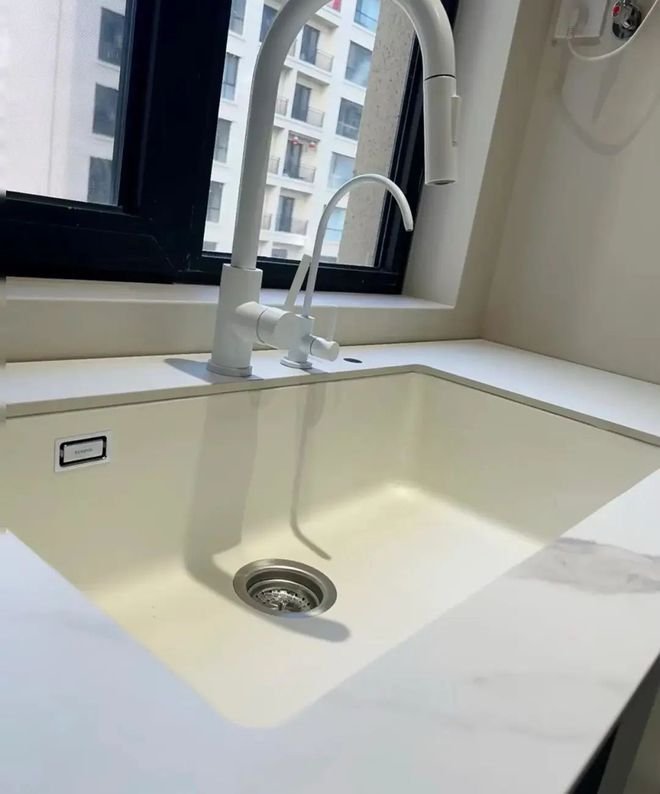
Answer: Quartz surfaces are adaptable to any place of your choice, including restrooms, kitchens, staircases, backsplashes, fireplace surrounds, flooring, and any other area.
8. Can quartz resist scratches and stains?
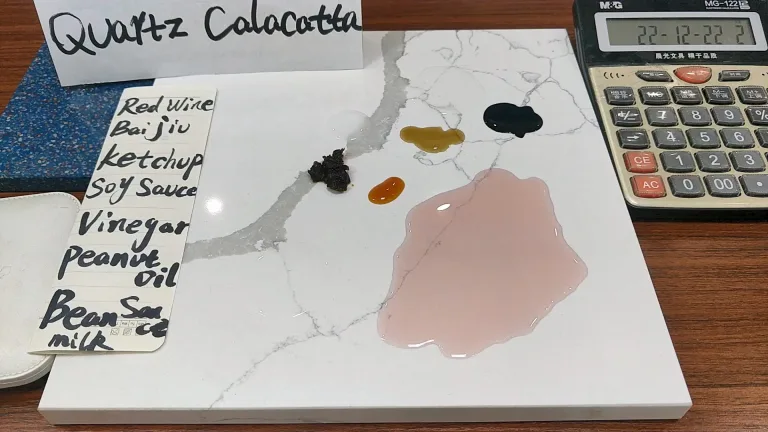
Answer: Quartz is resistant to scratches and stains to a great extent but not 100%! (MISSING)Extreme pressure and usage may damage the surface, but it can generally be repaired. Using pH-neutral cleaners or those specifically made for quartz can help prevent maximum stains.
9. Is quartz suitable for outdoor areas?
Answer: Quartz can be used in outdoor areas, but it should not be exposed directly to sunlight. Direct sunlight can melt the resins and polymers, leading to the deterioration of the quartz surface.



hNGIgnSKHQVFBmo
vCnWqxoFPLGs
DVdgXBHIpircSO
SpYQMvreFVDKcB